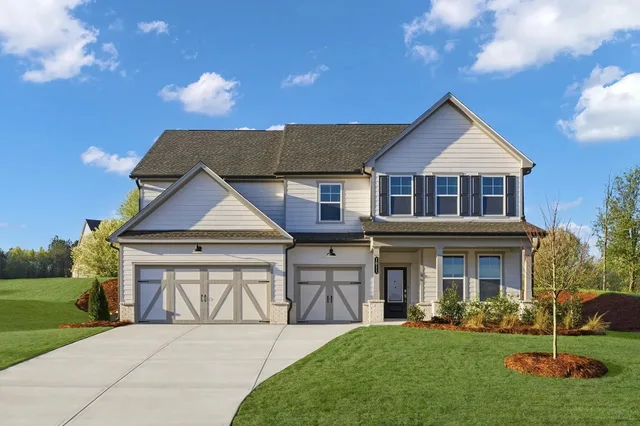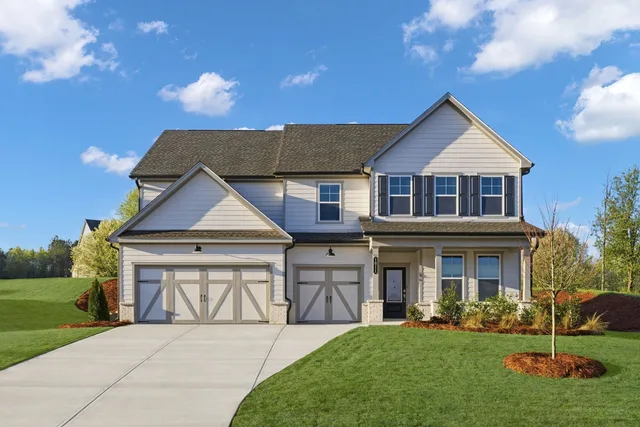
Most sellers want to do everything they can to maximize the value of their home. The problem is that many of those investments have to be made before the home ever sells.
A homeowner may be sitting on hundreds of thousands of dollars in home equity, but before they can access any of it, they are asked to spend money out of pocket getting the property ready for market.
That can mean paying for photography, cleaning, landscaping, repairs, painting, staging, flooring or even larger remodeling projects.
In other words, sellers are often asked to invest in the sale before they have received any of the proceeds from it.
That model has existed for decades. But it may be starting to change.
The Traditional Listing Process Is Fragmented
For many sellers, preparing a property for market looks something like this:
The agent recommends a cleaner.
Someone else handles landscaping.
A contractor is called for repairs.
A photographer is booked separately.
If the home needs painting, flooring or more substantial work, another vendor is brought in.
The homeowner coordinates much of the process and pays each company as the work is completed.
That creates two problems.
The first is operational. Preparing a home for sale can involve a surprising number of vendors and appointments.
The second is financial.
Even when improvements are likely to help the property sell, many homeowners are understandably reluctant to spend thousands of dollars on a house they are about to leave.
The result is that some properties reach the market without being fully prepared.
Home Equity and Cash Flow Are Two Different Things
A homeowner can be financially strong on paper and still feel cash-constrained during the listing process.
Consider someone selling a $600,000 property with substantial equity.
An agent might recommend:
- $500 in professional cleaning
- $1,000 in landscaping
- $2,000 in paint and minor repairs
- $500 in photography and marketing
- $5,000 in flooring or other updates
That seller may ultimately receive hundreds of thousands of dollars at closing.
But today, those recommendations could require writing checks totaling nearly $10,000.
That timing matters.

This is one reason pay-at-close financing has started gaining traction in real estate services.
Instead of requiring the seller to fund the work immediately, qualified listing-prep expenses can be completed before the property goes on the market and paid from the proceeds of the eventual sale.
The cost of the work does not disappear.
But the cash-flow problem does.
What If Listing Prep Became Part of the Transaction?
That raises a larger question for the real estate industry.
What if preparing the property were treated as part of the transaction itself?
Rather than telling a homeowner:
"You need to find a cleaner, call a landscaper, get some repairs done and pay everyone before we list,"
the agent could potentially say:
"We'll coordinate what the property needs, get the work completed and settle the eligible costs at closing."
That is a very different value proposition.
It also shifts listing preparation from a collection of disconnected services into something closer to a managed process.
The agent remains focused on selling the property.
The homeowner does not have to coordinate multiple vendors.
And the property can receive the preparation everyone agrees it needs without the seller necessarily having to fund the entire process upfront.

This Is Already Starting to Happen
At HomeJab, we are already moving in this direction with some of our largest real estate customers.
Historically, HomeJab has been best known for real estate photography and media.
But many of the same customers who need photography also need help getting properties physically ready for market.
Today, that can include services such as house cleaning, rekeying properties and a range of repair and remodeling projects.
The reason is simple.
From the customer's perspective, these are not separate industries.
They're all part of the same job:
Get the property ready to sell.
A home may need to be cleaned before photography.
Locks may need to be changed before a property can be accessed safely.
A damaged bathroom may need repairs.
Flooring may need replacement.
A kitchen may need updating.

Then the home needs professional photography, video, floor plans and other marketing assets.
The traditional industry has divided those tasks among many different businesses.
The homeowner and real estate agent are left to connect the pieces.
There is no reason that has to remain the case.
The Listing Presentation Could Change
This shift could eventually change the way agents compete for listings.
For years, much of the listing presentation has focused on marketing:
Professional photography.
Video.
Social media.
Advertising.
Open houses.
Distribution to real estate portals.
All of those things still matter.
But the next competitive advantage may begin before the marketing starts.
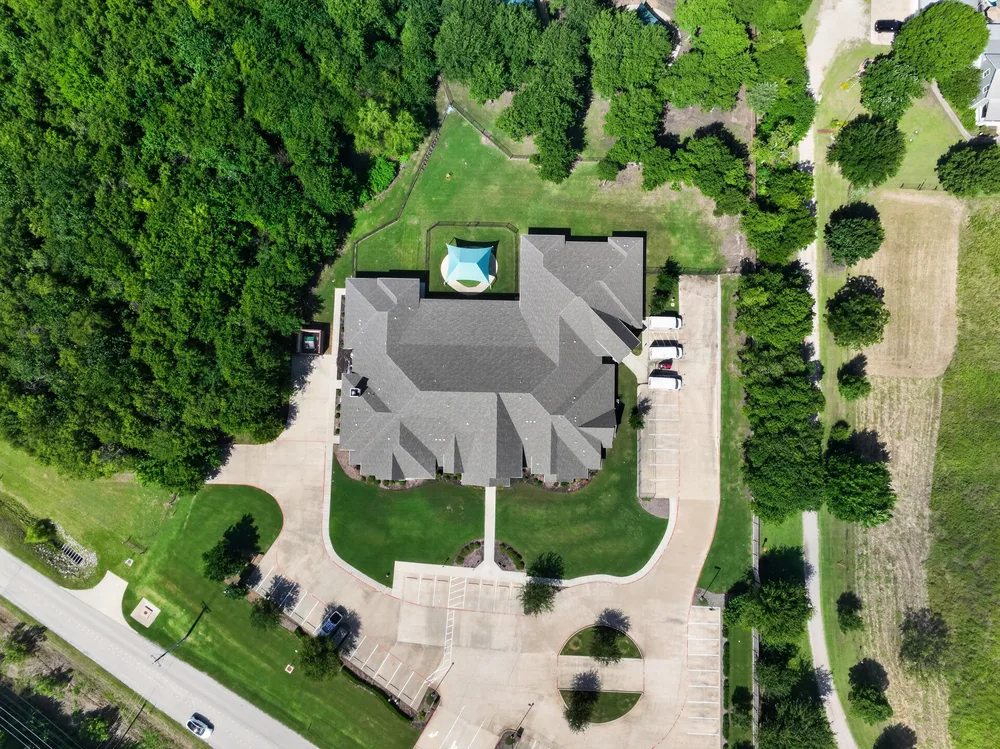
An agent who can walk through a seller's home, identify what should be addressed, coordinate the work and provide a way to defer eligible expenses until closing is offering something much broader than marketing.
They are offering a solution to one of the hardest parts of selling a home:
getting it ready.
The listing pitch could evolve from:
"Here's how I'm going to market your home."
to:
"We'll help get your home ready for the market, coordinate the work, market it professionally and, where eligible, you won't have to pay for the preparation until closing."
That's a compelling proposition for a seller.
The $0-Upfront Listing
The logical endpoint of this trend is what you might call the $0-upfront listing.
The homeowner hires an agent.
The property is evaluated.
Necessary listing-prep work is identified.
Vendors complete the work.
Professional media is created.

The home is listed.
And eligible preparation expenses are paid when the transaction closes rather than requiring the seller to fund everything upfront.
Not every property needs significant work.
And sellers should not spend money simply because financing is available.
The question should always be whether a particular improvement makes sense for the property, the market and the expected sale.
But when an improvement does make sense, the timing of the payment should not necessarily be the reason it doesn't happen.
The real estate industry has spent decades improving how homes are marketed.
The next major opportunity may be improving how they're prepared for market in the first place.
And the future of listing prep may increasingly look like this:
Do the work now. Sell the home. Pay at closing.