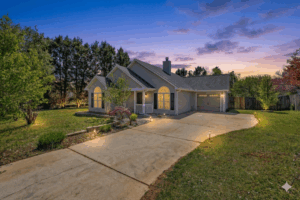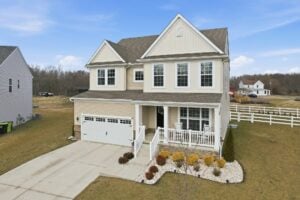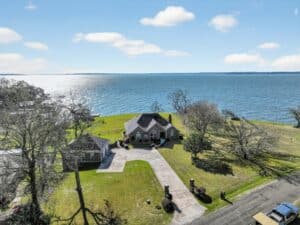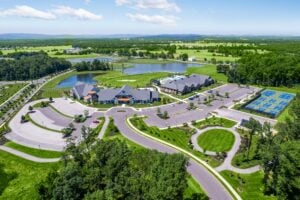
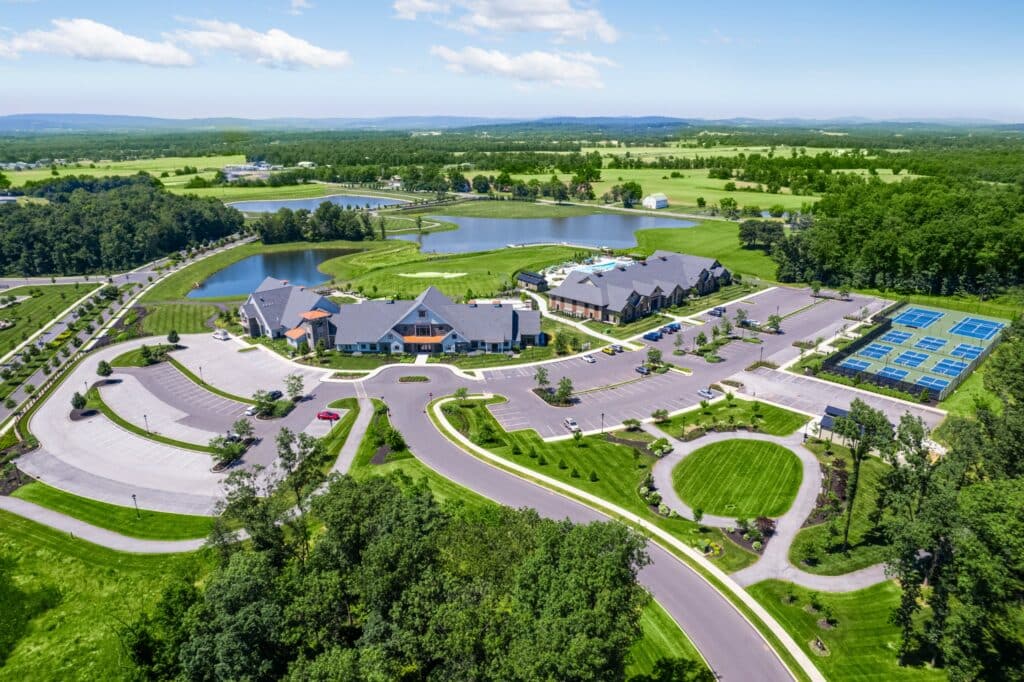
The real-estate photography industry depends heavily on drone technology. From aerial property shots to dramatic twilight exteriors and neighborhood overviews, drones have become a standard expectation, not a luxury.
That’s why the recent announcement from the Federal Communications Commission (FCC) is worth paying attention to.
The FCC has moved to block approval of new Chinese-made drones over national security concerns. While existing drones are not being confiscated or shut down, the decision could have meaningful ripple effects across the real-estate photography industry in 2026 and beyond.
Here’s what’s changing, what’s not, and how photographers and real-estate professionals should think about what comes next.

What Did the FCC Actually Do?
The FCC announced it will no longer approve new radio equipment authorizations for certain foreign-made drones, including many models manufactured in China. This effectively prevents new versions of these drones from entering the U.S. market.
The decision is rooted in national security concerns related to data transmission, communications infrastructure, and foreign technology operating within U.S. airspace.
Important clarification:
-
Existing, legally purchased drones are not banned from use
-
Photographers are not required to ground current equipment
-
The restriction applies to future approvals and imports
In other words, this is not an overnight shutdown, but it does change the long-term technology roadmap.
Why This Matters for Real-Estate Photography
A large percentage of professional photographers use Chinese-made drones because they’ve historically offered the best combination of image quality, stability, battery life, and affordability.
Limiting new models and future upgrades could impact the industry in several ways:
-
Fewer choices when upgrading equipment
-
Slower innovation cycles for aerial photography
-
Higher prices as supply tightens
-
Increased demand for alternative manufacturers
Over time, this could reshape what “standard” drone photography looks like in real-estate marketing.

Short-Term Impact: Very Little Changes
For now, most photographers won’t feel immediate disruption.
If you already own a compliant drone:
-
You can continue flying it
-
You can continue offering aerial services
-
Clients won’t notice any difference in deliverables
This gives professionals time to plan rather than react.
At HomeJab, aerial photography remains fully available nationwide, and our photographers continue to operate within all FAA and FCC guidelines.
Medium-Term Impact: Equipment & Pricing Pressure
As existing drones age out and photographers look to replace or upgrade gear, the effects may become more visible.
Possible changes include:
-
Higher costs for approved drone models
-
Longer lead times for replacement equipment
-
Fewer “entry-level” options for newer photographers
-
Increased demand for drone maintenance and repair services
Over time, this could translate into higher aerial photography pricing across the industry, especially in high-demand markets.
Long-Term Impact: New Players & New Workflows
One potential upside is increased innovation from U.S. and non-Chinese drone manufacturers. The FCC decision may accelerate investment into domestic drone technology, software ecosystems, and secure data handling.
For real-estate photography, that could mean:
-
New drone brands entering the professional market
-
More emphasis on security-first design
-
Software and workflow changes for editing and uploads
-
Hybrid approaches using ground-based techniques alongside aerials
We’ve seen similar transitions in other tech categories, and adaptation usually follows regulation.
What Photographers Should Do Now
This is not a moment for panic, but it is a good time to be proactive.
Recommended steps:
-
Keep existing drones well maintained
-
Monitor FCC and FAA updates throughout 2026
-
Avoid unnecessary panic selling of equipment
-
Stay flexible with aerial workflows
-
Communicate confidently with clients if questions arise
Photographers who plan ahead will be best positioned to adapt smoothly.
What This Means for HomeJab Customers
From a client perspective, aerial photography is not going away.
HomeJab works with a nationwide network of licensed, insured photographers who stay current with equipment, regulations, and best practices. If industry changes affect drone availability or pricing in the future, we’ll continue to offer clear options, alternatives, and consistent quality.
Our focus remains the same:
-
Fast turnaround
-
Professional results
-
Reliable nationwide coverage
-
Clear communication when technology evolves
Final Thoughts
Technology and regulation are constantly evolving, especially when it comes to drones. The FCC’s decision signals a shift in how drone hardware enters the U.S. market, but it doesn’t eliminate aerial photography from real-estate marketing.
Instead, it marks the beginning of a transition period.
For photographers and real-estate professionals alike, staying informed, flexible, and forward-looking is the best strategy.
If you have questions about aerial photography, drone availability, or real-estate media options, HomeJab is always here to help.